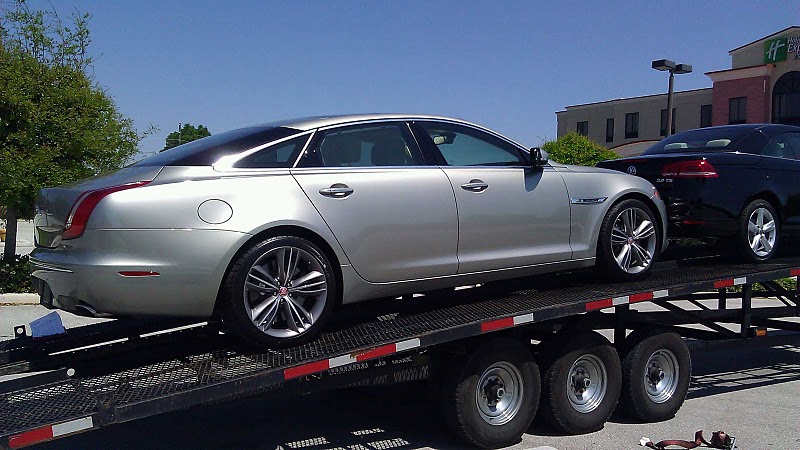
When you need to ship your vehicle across the nation, car shipping inspection is one of the most important parts of the process. The inspection will be a way to ensure your car safety, document the car condition, and provide you and the auto transport company al protection from damage.
What Happens During The Inspection For Car Shipping?This tutorial will provide you a step-by-step guide through the welding cleaning process and what to expect and why each is important. Gaining an understanding of the car shipping inspection will help you know what to expect from the company and how they will take care of your car from pickup to delivery.
The Initial Inspection: Documenting Your Car’s Condition
To ensure reliable service and thorough inspections, 1A Car Shipping has a detailed inspection process to safeguard your vehicle during the car shipping process.
Exterior Condition Check:
The inspector examines the bodywork of the cars for visible damage such as dents, paint scratches, scuffs and chipped bodywork. In order to avoid any disagreement afterwards, it is our aim to accurately record the marks or issues of the car.
Odometer Reading:
The inspector will record your vehicle’s mileage, so no extra miles added when transporting it. Doing this is something that is quite common.
Tires, Wheels, and Suspension:
The tires and wheels checked, and suspension system of the vehicle is checke so that the car is safe to be load and unloaded. It is roadworthy.
Lights and Windows:
The inspector will check to see if all lights are intact including headlight, taillight and indicator.
Undercarriage Inspection:
At times, the undercarriage is leak-checked, rusted, and structurally tested to see if it will be roadworthy.
Upon picking up the car, the driver will first check the car for damages. The inspection is documented on a Bill of Lading. At the time of pickup, the Bill of Lading signed by the car owner and the driver, confirming the condition of the vehicle.
Preparing Your Vehicle for Inspection: What to Do Before Pickup
To ease and expedite the inspection process arrive, you can prepare your vehicle with a few simple steps before the transporter arrives.
Clean Your Car:
Prior to the inspection, it is a good idea to wash your vehicle so that the examiner will see the scratches and dents more clearly. A spotless car makes the inspection task easy and effective.
Remove Personal Items:
Transporters usually don’t cover items of personal nature inside the vehicle. In other words, it would be reasonable to clean up your personal things to prevent any damages or loss during the movement.
Check Fluid Levels:
Make sure your car is fill with fluids, but not top off with gasoline. Keep fuel level at ¼ of tank or above, sufficient to load and unload the vehicle.
Take Photos:
Before the inspection starts, take detailed pictures of your car’s outside appearance and inside. Having pictures of the vehicle will serve as a valuable tool for evidence in case issues arise further down the line.
The Actual Handover: Loading the Vehicle
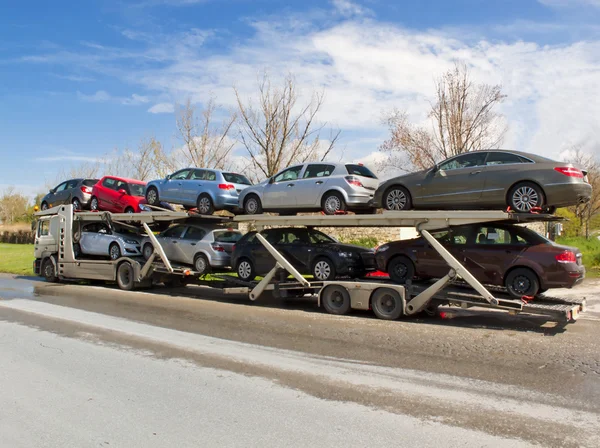
After the auto transport inspection takes place and your car is document, it gets load onto the carrier next.
Drive or Winch the Car onto the Carrier:
If the car starts, they can drive it onto the carrier. In case the vehicle is not operational, then it winched on the truck.
Strapping and Securing the Car:
In order to immobilize the automobile, soft straps or wheel nets can be used to tie up the vehicle. Making sure the car is centered on the carrier is important so that it no imbalance.
Final Checks:
The driver will check that the car is secure before they drive away. The final inspection will prevent a mishap during the trip.
Delivery Inspection: Ensuring Safe Arrival
The same check is done at delivery when the vehicle reaches its final location. The Car Is Found In The Same Condition As When It Was Put On The Truck. It Ensures That To Be True.
Exterior and Interior Condition Check:
As the pickup inspection, the vehicle’s exterior and interior examined for any new damage. The inspection uses the Bill of Lading to check the condition of the vehicle.
Odometer Check:
The driver will again verify vehicle mileage so as to make sure it was not driven unnecessarily during this transport.
Sign-Off on Delivery:
You will sign the Bill of Lading to confirm you have received the vehicle. This checks the vehicle has reached the destination and has the same condition as noted during pickup..
Expert Tip:
If you notice any issues upon receiving the package, take pictures of them and notify the transport company.
Why the Car Shipping Inspection Matters
The car shipping inspection isn’t just a formality. It’s an important part of the transport process that protects you and the transport company. Here’s why it matters so much.
Protection Against Damage Claims:
When you document the condition of your vehicle before transport, the inspection protects you in case it gets damage. It might be hard to prove that damage occurred as a result of actions in the hands of the transport company without this documentation.
Ensuring Safe Transport:
The purpose of the inspection is to ensure that your vehicle is safe for transportation and to document any prior damages. It ensures that the driver manages your vehicle well, all throughout the ride.
Transparency and Accountability:
The inspection creates transparency for both the parties. Clear documentation ensures they know the condition of your car before and after transport.
The Car Shipping Inspection Process Ensures Peace of Mind
Knowing what happens during the car shipping inspection helps you relax throughout the vehicle shipping process.
Using the steps shared here and working with the pros, your car shipping experience can be as smooth and worry-free as possible.
